

Japanese Carrier Network Restrictions for Used Phone Resellers
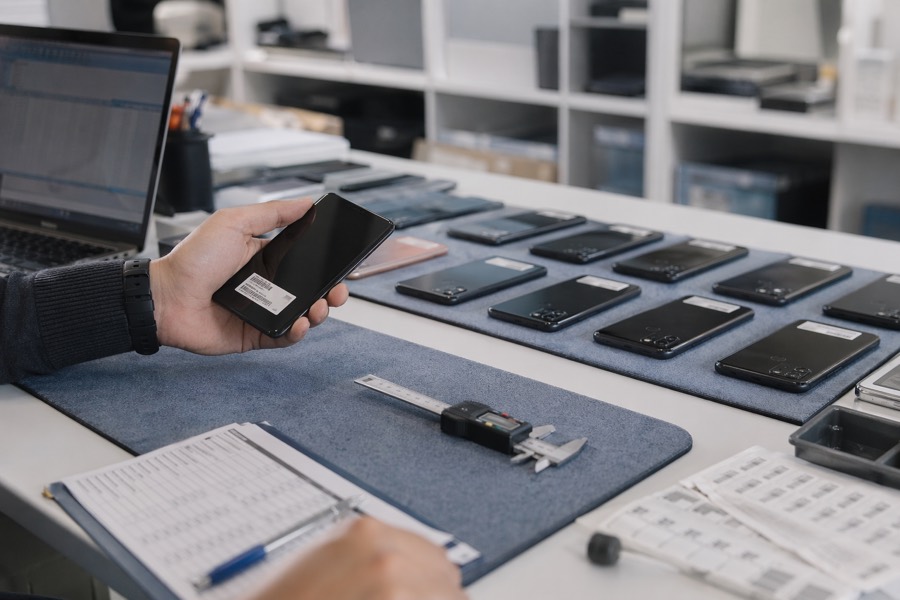
In Japanese used smartphone resale, network restriction status affects procurement quality, resale speed, support burden, and final margin. Treating IMEI verification as a separate side task usually creates rework. The better approach is to place restriction checks inside the same workflow as erasure, inspection, and evidence.
Where this issue matters most
Restriction status changes what you should pay for a lot before it even reaches grading.
Circle, triangle, and cross states should not share the same pricing and turnover assumptions.
You need retained verification records when buyers question carrier status later.
IMEI verification becomes much stronger when it lives in the same case flow as erasure.
How to interpret ○ / △ / × in practice
| Status | Meaning | Typical resale implication | What to decide operationally |
|---|---|---|---|
| ○ | No current restriction | Normal stock and easiest to price | Run through standard erase, inspection, and evidence flow |
| △ | Status may change later | Margin can be good, but timing risk matters | Define holding period, re-check timing, and warranty rules |
| × | Restricted or high-risk for normal resale | Should not be evaluated like standard domestic stock | Separate channels, disclosure rules, and pricing logic |
Restriction status is only half the question
The real operational question is how fast you can sell, when you re-check status, and how reliably you can connect that result to the device's erasure and shipment record. This is why mature operators treat IMEI verification as part of workflow design, not just compliance checking.
A practical resale playbook
- Run the first IMEI check at intake and store the result at lot level.
- Link the device to erasure and inspection while the case is still active.
- Re-check before listing or shipment when status volatility matters.
- Retain both IMEI and erasure evidence for support or dispute handling.
What to look for in MASAMUNE
Verification should be saved with the same case context as erasure and device handling.
Support teams should not need to reconstruct records from disconnected tools.
The same logic should work from PoC to real resale operations without mixed messaging.
Status is only useful if it changes procurement, grading, and resale decisions correctly.
Put IMEI verification and erasure in the same resale flow
If you handle Japanese carrier status and erasure in separate tools, the process usually slows down at inspection, handoff, or support. The faster next step is to review the IMEI checker and resale workflow together.
Frequently asked questions
Q. Should resellers buy devices marked △?
It depends on sell-through speed, warranty policy, and how often you re-check status before sale. The key is to treat △ devices as managed inventory, not standard stock.
Q. Do × devices always have zero resale value?
For normal domestic resale in Japan, value drops sharply. Some alternate channels may still exist, but they should not be treated with the same pricing logic as unrestricted stock.
Q. Should IMEI checks and data erasure stay separate?
They can be separated at small scale, but serious resale operations usually reduce rework by keeping IMEI verification, erasure, and evidence in the same case workflow.